
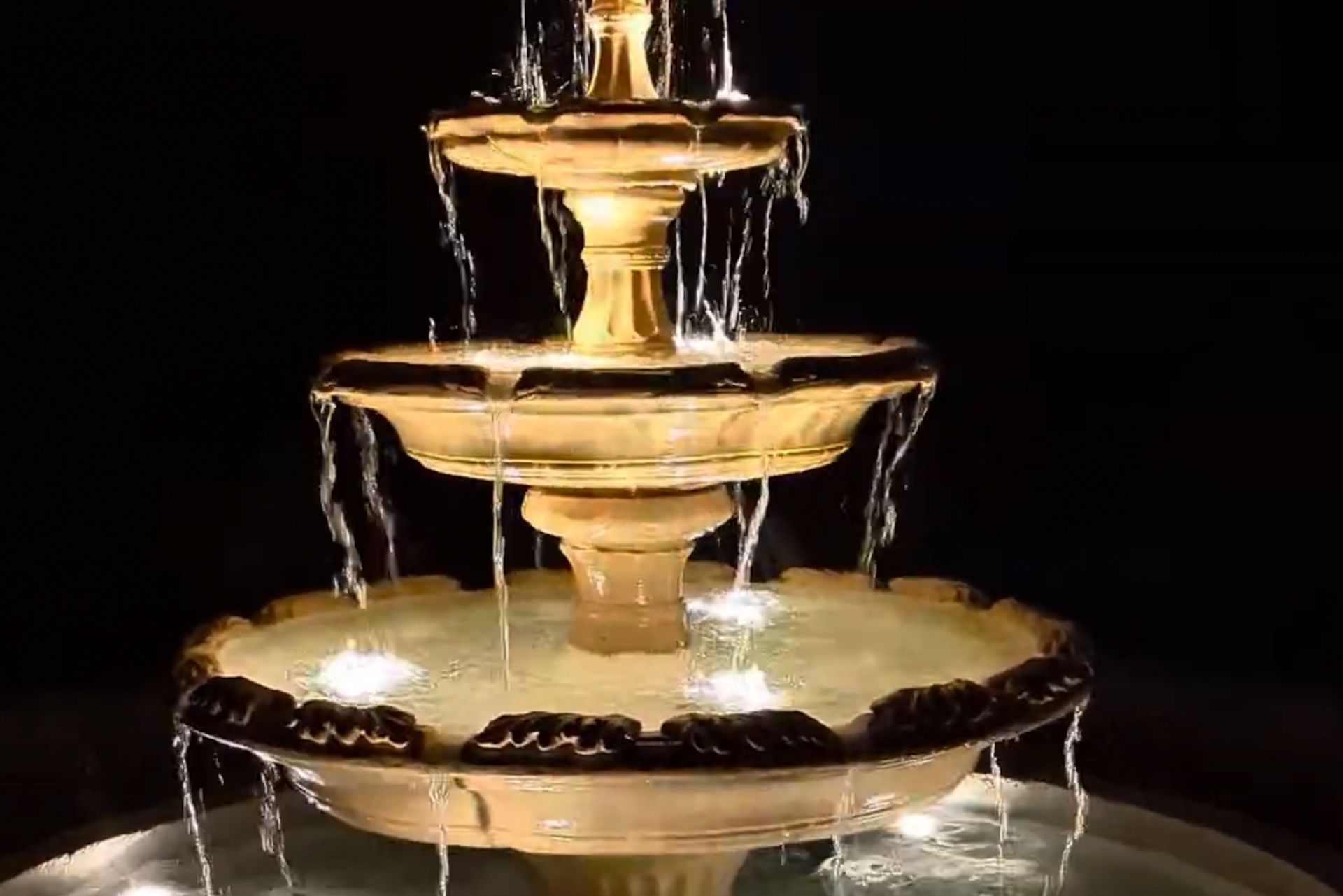
A water feature is a magnificent feature, but its beauty often fades as the sun goes down. What if you could capture that elegance and extend it long into the evening? With the right illumination, a simple fountain transforms into a breathtaking nighttime masterpiece. It’s a project that not only boosts ambiance but also adds significant value and appeal. In fact, a recent survey from the National Association of Home Builders revealed that a staggering 82% of homebuyers rate exterior lighting desirable. Lighting is the art form that elevates your water feature from a daytime accent to a 24/7 focal point. It’s the secret to unlocking your fountain’s full potential, creating an immersive, multi-sensory experience that is both magical and practical. This guide will walk you through everything you need to know to illuminate your water feature like a seasoned pro, turning your outdoor space into an enchanting oasis after dark. ✨ Why Lighting A Fountain Matters Strategic lighting does more than just make your water feature visible; it gives it a new identity at night. It accentuates the graceful movement of the water, highlights intricate architectural details, and creates an atmosphere that can be tailored to any mood or occasion. Safety Proper illumination is a practical necessity. Well-lit fountains and their surrounding pathways prevent trips and falls, making the entire area safer for family and guests to enjoy at night. By clearly defining the edges of pools and walkways, you reduce risks while adding a welcoming glow. More Enjoyment Lighting extends the hours you can appreciate your water feature. Instead of being a dark silhouette, your fountain becomes a vibrant centerpiece for evening entertaining or a tranquil backdrop for quiet relaxation. The gentle sound of water combined with a soft, elegant glow creates a soothing, resort-like ambiance right in your own backyard. Epic Nighttime Scenery This is where the magic happens. Illumination turns your water feature into a dramatic work of art. Light dancing on the shimmering, cascading water creates a dynamic and captivating display. By using techniques like uplighting and shadowing, you can add depth, mystery, and visual interest, making your fountain the star of your landscape. Holiday Fun Fountain lighting offers a fantastic opportunity for seasonal creativity. With color-changing LED lights, you can instantly decorate for holidays. Imagine a water feature glowing with spooky orange and purple for Halloween 🎃, festive red and green for Christmas 🎄, or patriotic red, white, and blue for the Fourth of July 🎆. It’s an easy way to keep your outdoor decor fresh and festive year-round. Techniques For Lighting A Fountain Effective fountain lighting often involves using multiple techniques in layers to create a rich and balanced scene. The goal is to highlight the fountains best features while concealing the light sources themselves. Uplights Placing lights at the base of the fountain and aiming them upward creates a dramatic, commanding effect. This technique highlights the fountain’s vertical structure, accentuating its height and architectural details. It can also cast intriguing shadows on nearby surfaces, adding depth to the overall composition. Underwater Lights Here at Local Fountain Expert, this is our most requested style of lighting. Submersible lights are the most popular choice for illuminating the water itself. Placed within basins or pools, they make the water appear to glow from within. This technique is perfect for highlighting jets, cascades, and the shimmering movement on the water’s surface. Side Light Also known as grazing, side lighting involves placing fixtures to the side of a feature to skim light across its surface. This is particularly effective for showcasing the texture of materials like stone or intricate carvings on a statue. It reveals details that might be lost with direct frontal lighting. Downlighting For a more natural and subtle effect, consider downlighting. By placing a light fixture in a nearby tree or architectural feature and aiming it down onto the fountain, you can simulate the gentle glow of moonlight. This technique provides soft, diffused illumination that feels elegant and understated. Shadows Don’t underestimate the power of what you don’t light. Creating shadows is just as important as creating light. Backlighting a fountain or statue will cast its silhouette against a wall, creating a striking and dramatic focal point. The interplay between light and shadow adds a layer of mystery and sophistication. Target The Splash Focus light where the water lands and creates a splash. Illuminating this point of impact captures the kinetic energy of the fountain, highlighting the sparkling droplets and radiating ripples. This creates a vibrant and mesmerizing visual that draws the eye. Types of Underwater lights Choosing the right bulb or fixture is critical for achieving your desired look and ensuring longevity. White Lights White light is a classic and timeless choice. Warm white (2700K-3000K) creates a cozy, inviting, and traditional ambiance. Cool white (4000K-5000K) offers a crisp, modern, and clean look. White light is often an easy way to save a little bit when lighting your fountain. They are the budget friendly option. Color Lights RGB (Red, Green, Blue) or RGBW (with a dedicated White diode) LED fixtures allow you to create any color imaginable. These are perfect for themed parties, holidays, or creating dynamic light shows that can change with the press of a button. Color changing lights are often a little more expensive. They still create white light but can give you more options if you ever are feeling it. We often find customers are willing to spend the difference to get long term flexibility. LED Board These are integrated fixtures where the LED diodes are built directly into a board within the sealed housing. They are highly durable and long-lasting, as the entire unit is designed for underwater use. They often fetch a higher price tag but are worth it. MR16 or LED Bulb Some underwater fixtures are designed to hold a replaceable bulb, like an MR16. This offers flexibility, as you can easily swap out the bulb to change its brightness, beam angle, or color temperature. These help make sure you aren’t having to spend money on a whole light housing when something breaks. You just swap out the bulb when it goes out. Halogen/traditional Bulbs While once the standard, halogen bulbs are less common now. They produce a warm, high-quality light but are less energy-efficient, have a much shorter lifespan, and generate more heat than LEDs. They are often required to be submerged in water, otherwise they will overheat. Fountain Lighting Examples Different types of fountains require different lighting strategies to look their best. Statuary Fountains For fountains featuring a statue, the goal is to make the sculpture the hero. Use uplighting or side lighting to accentuate its form and texture. A submersible light in the basin can illuminate the cascading water, creating a beautiful contrast between the static sculpture and the dynamic water. If you have tiered bowls, we recommend putting lighting in each bowl shining up to get the best look possible. Architectural Fountains These fountains are defined by their structure and clean lines. Use lighting to emphasize the design elements. Uplighting can highlight vertical columns, while linear lights can trace the edges of basins. For minimalist designs, a subtle, single-color glow is often more effective than a busy, multi-colored display. Landscape/Waterscape Fountains Fountains integrated into a broader landscape, like a series of cascading waterfalls over rocks, should be lit as part of the whole scene. Use a layered approach, lighting the waterfalls, surrounding plants, and key rock formations to create a cohesive and natural-looking environment. Pond and Lake Fountains For large fountains in ponds or lakes, the key is making a big impact. Powerful submersible lights can illuminate the towering jets of water, making them visible from a distance. These can be color changing or white light. Both look incredible and create depth to the pond. This also allows the fountain to be enjoyed by everyone around long after it gets dark. Get Inspired While DIY options are available, the combination of water and electricity makes fountain lighting a complex and potentially hazardous job. For the best and safest results, consider seeking professional guidance. Ask A professional A professional fountain technician will know how to select the right high-quality, waterproof fixtures and place them for maximum effect while minimizing glare. They can create a cohesive design that integrates seamlessly with your property. Check Out Social Media Platforms like Instagram and Pinterest are excellent sources of inspiration. Search for hashtags like #fountainlighting, #waterfeature, or #landscapelighting to see what others are doing. Many professional installers also showcase their portfolios on these sites. Visit Public Fountains Pay attention to how fountains in public parks, plazas, and botanical gardens are illuminated. These are often designed by top-tier professionals and can provide fantastic ideas for techniques and color schemes that you can adapt for your own space. Check out the Friendship Fountain in downtown Jacksonville! Conclusion In the end, lighting a fountain is about transforming a simple water feature into a captivating spectacle of light and motion. It’s where thoughtful planning meets creative artistry to craft an experience that enchants the senses. While the results are magical, the process of combining electricity and water requires precision, safety, and expertise. If you’re ready to elevate your fountain from a daytime delight to a mesmerizing nighttime centerpiece, our team is here to bring your vision to life. As expert fountain contractors, we specialize in designing and installing safe, stunning, and durable lighting systems tailored to your unique space. Contact us today for a professional consultation and let’s create a source of wonder in your landscape for years to come. FAQs:
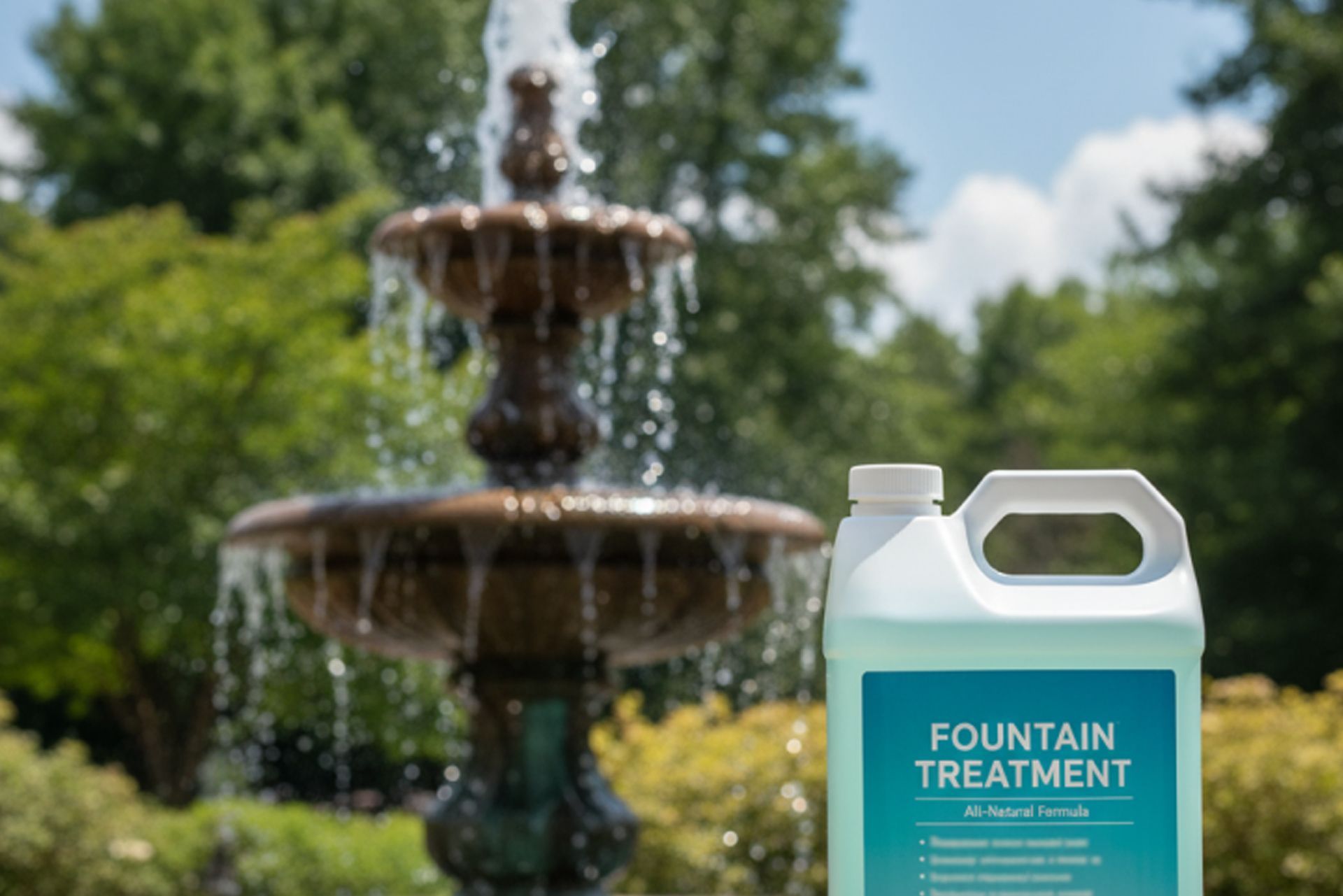
A beautiful fountain creates a peaceful atmosphere in any outdoor or indoor space. The gentle sound of running water brings calm, while the design itself adds elegance. Yet, the true beauty of a fountain depends on one important factor: crystal-clear water. This is where fountain water treatments make all the difference. In this guide, you will learn how water treatments work, why they are essential, and which options will keep your fountain looking its best. By the end, you will have practical tips you can apply today. Why Fountain Water Treatments Matter Fountains constantly circulate water. Without treatment, this water can quickly become cloudy, green, or foul-smelling. Several issues may arise when water is left untreated: Algae growth: Sunlight and nutrients in the water create the perfect environment for algae. Mineral buildup: Hard water leaves behind calcium and lime deposits that discolor and damage surfaces. Bacteria: Stagnant water can allow harmful bacteria to grow, which may affect pets, wildlife, and even people. Bad odors: Organic matter, such as leaves or dirt, breaks down in the water, leading to unpleasant smells. Using fountain water treatments prevents these problems and ensures your fountain remains a beautiful focal point. The Different Types of Fountain Water Treatments When you think about maintaining a fountain, you might picture scrubbing and draining. While physical cleaning is important, water treatments reduce the need for constant heavy maintenance. Let’s explore the main types: 1. Algaecides Algaecides prevent and control algae growth. They come in liquid or tablet form and are safe for fountains when used correctly. These products are especially helpful in sunny locations where algae blooms appear quickly. 2. Clarifiers Clarifiers bind tiny particles together so your filter can remove them. This process clears up cloudy water and makes it sparkle. Clarifiers are safe for most fountain surfaces and are easy to apply. 3. Scale and Stain Preventers Minerals in hard water can stain or damage your fountain. Scale and stain preventers protect against calcium deposits, rust, and other discolorations. With consistent use, your fountain will stay smooth and clean. 4. Biological Treatments Biological water treatments use natural bacteria and enzymes to break down organic matter. They reduce sludge, odors, and algae without harsh chemicals. Many eco-friendly homeowners prefer this option. 5. Chlorine-Based Treatments Some people use chlorine to sanitize their fountain water. While it is effective, chlorine can damage certain materials and harm plants or animals if not used carefully. Always follow instructions when using this method. How to Choose the Right Water Treatment Selecting the right fountain water treatment depends on your fountain’s size, location, and use. Consider these factors: Indoor vs. outdoor fountains: Outdoor fountains are more exposed to debris, sunlight, and rain, so they may require stronger treatments. Material of your fountain: Concrete, stone, and metal surfaces react differently to chemicals. Choose treatments safe for your fountain’s material. Presence of pets or wildlife: If birds or pets drink from your fountain, choose safe and non-toxic treatments. Local water quality: Hard water areas may need more scale preventers, while humid climates may demand stronger algaecides. When in doubt, consult a professional. The Local Fountain Expert team helps homeowners select treatments that match their specific needs. Best Practices for Fountain Water Maintenance Using water treatments is only one part of keeping your fountain clear. Combine treatments with good maintenance habits for the best results. Regular Cleaning Drain and clean your fountain every few months. Remove leaves, dirt, and buildup. Cleaning prevents clogs and reduces the amount of treatment needed. Use Distilled or Filtered Water Tap water often contains minerals that cause stains and scale. Using distilled or filtered water minimizes these issues and helps treatments last longer. Monitor Water Levels Low water levels damage your pump, while overfilling causes splashing. Check levels regularly to maintain balance. Apply Treatments Consistently Water treatments are most effective when used on a regular schedule. Skipping applications allows algae and minerals to build up. Protect from Direct Sunlight If possible, place your fountain in a shaded area. Less sunlight means slower algae growth and cleaner water. Common Mistakes to Avoid Even with good intentions, many fountain owners make mistakes that affect water clarity. Avoid these common errors: Overusing chemicals: Adding too much treatment can damage the fountain and harm the environment. Always follow directions. Ignoring small problems: A little cloudiness or algae may not seem serious, but ignoring it leads to bigger issues. Not maintaining the pump: A dirty or clogged pump reduces water circulation and increases algae growth. Using household cleaners: Harsh chemicals not designed for fountains can damage surfaces and harm plants or animals nearby. Professional Fountain Care While DIY treatments are helpful, professional care ensures long-term results. Local Fountain Expert offers customized solutions, including cleaning, inspections, and treatment plans. With expert help, you can enjoy your fountain without constant worry. For more details about safe water treatment options, you can also visit EPA’s guide to water quality. It provides insights into maintaining safe water environments. Why Choose Local Fountain Expert At Local Fountain Expert, we understand that your fountain is more than a decoration. It is a centerpiece of your home or business. Our team specializes in maintaining fountains so they remain clean, safe, and visually stunning. When you choose us, you get: Professional recommendations for the best water treatments Regular maintenance services Affordable and reliable care Peace of mind knowing your fountain is in expert hands Request Your Free Quote Today Keeping your fountain crystal clear does not have to be difficult. With the right fountain water treatments and regular maintenance, you can enjoy clean and sparkling water all year round. Let the experts handle the hard work for you. Contact Local Fountain Expert today and request your free quote. Our team is ready to help you maintain a fountain you will love to show off.
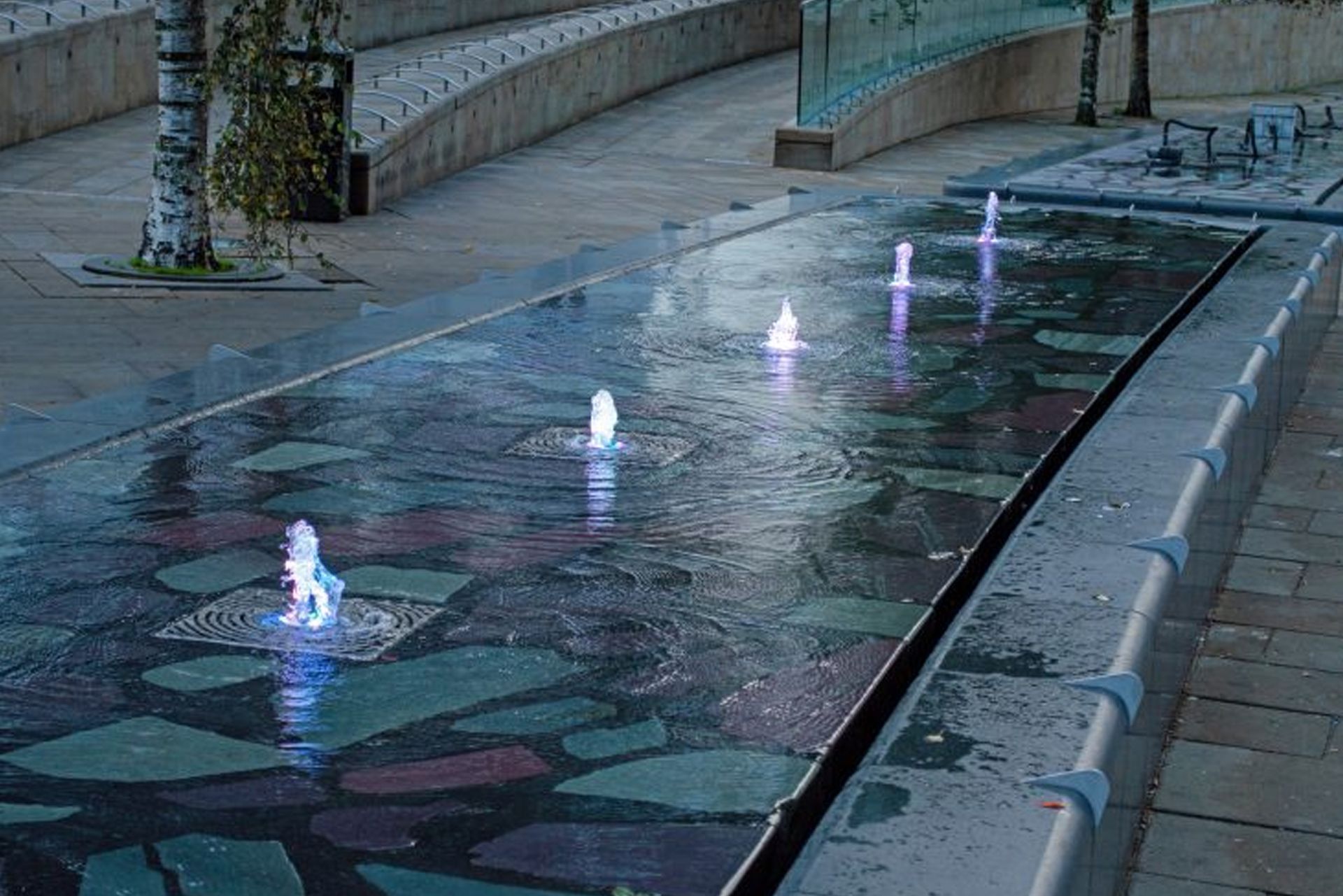
Water has always held a special place in public design. It brings calm, beauty, and movement to otherwise static environments. But today, fountains are doing more than just flowing. They are dancing, responding, and inviting people to step in and play. Enter the world of interactive fountains—innovative water features that respond to human presence, motion, sound, or touch. These aren’t just decorative elements. They’re immersive experiences. And they’re quickly becoming a must-have in parks, plazas, shopping centers, and special events across the country. In this post, we’ll explore what makes interactive fountains so special, how they’re designed, and why cities and event planners are investing in them. Whether you’re a city planner, event organizer, or just curious about modern water features, this guide will give you the insights you need. Let’s dive in. What Are Interactive Fountains? Interactive fountains go beyond traditional designs. Instead of simply spraying or cascading water, they engage people directly. These fountains use sensors, timers, or user input to control water flow, height, color, and even music. For example, stepping on a pressure pad might trigger a jet of water. Waving your hand could change the light color. Dancing in front of a motion sensor might set off a synchronized water show. They’re playful, safe, and inclusive. And best of all, they invite participation. Unlike older fountains where “Do Not Touch” signs were common, interactive fountains say, “Come on in!” Why Are They Gaining Popularity? Cities and developers are embracing interactive fountains for several reasons. First, they promote community engagement. Public spaces often struggle with foot traffic and social connection. Interactive fountains create natural gathering spots. People stop, watch, laugh, and interact. Families spend more time outdoors. Strangers start conversations. Second, they support active lifestyles. Especially for children, these fountains are like outdoor playgrounds. They encourage movement, play, and sensory exploration. In an age where screen time dominates, this is a welcome shift. Third, they’re versatile. You can install them permanently in parks or temporarily at festivals and corporate events. Their modular design allows for quick setup and takedown. Finally, they’re visually stunning. With LED lighting, programmable jets, and choreographed sequences, they double as public art. At night, they become light and water shows that draw crowds. Where Are Interactive Fountains Used? The applications are growing every year. Here are some of the most common uses. 1. Public Parks and Plazas Cities like Chicago, Atlanta, and San Diego have installed large-scale interactive fountains in downtown areas. Millennium Park’s Crown Fountain is a famous example. It features video screens and water spouts that activate on schedule, creating a blend of art and play. These installations increase park usage, especially during hot months. They also become landmarks—places people plan to visit. 2. Shopping Malls and Retail Centers Malls use interactive fountains to attract families and extend visitor stays. A playful water feature near the food court or entrance creates a welcoming vibe. It gives parents a break while kids enjoy safe, supervised fun. Some malls even sync fountain shows with music or holiday themes, turning routine visits into mini-events. 3. Schools and Universities Campuses are adding interactive fountains to courtyards and quads. They serve as both aesthetic features and social hubs. Students gather around them between classes. They become spots for photos, relaxation, and spontaneous interaction. For younger students, splash pads with interactive elements support physical development and sensory learning. 4. Festivals and Temporary Events Event planners love temporary interactive fountains. They’re easy to install and create instant excitement. Music festivals, street fairs, and holiday markets use them to draw crowds and enhance the atmosphere. Imagine a winter market with a frost-themed fountain that lights up in blue and white, responding to claps or footsteps. Or a summer concert series with a water show synced to live music. The possibilities are endless. 5. Corporate Campuses and Office Complexes Forward-thinking companies are using interactive fountains to boost employee well-being. Outdoor break areas with water features reduce stress and encourage movement. Google and Apple campuses include water elements in their landscape design. Interactive fountains take this a step further by adding fun and creativity to the workday. How Do Interactive Fountains Work? Behind the magic is smart technology. Let’s break down the key components. Sensors and Controls Most interactive fountains use one or more types of sensors: Motion sensors detect movement and trigger water jets. Pressure pads activate when stepped on. Touch sensors respond to hand contact. Sound sensors make water dance to music or voice. These sensors connect to a central control system that manages timing, flow, and lighting. Water Jets and Nozzles The water delivery system includes multiple nozzles that can be programmed for height, angle, and sequence. Some jets shoot straight up. Others fan out or spin. Advanced systems use variable pumps to adjust pressure in real time. This allows for smooth transitions and dynamic patterns. Lighting and Sound LED lights are built into the fountain base or surrounding deck. They change color based on activity or time of day. Many fountains also include speakers for music or sound effects. Some even let users control the playlist via an app. Safety and Accessibility Safety is a top priority. Interactive fountains are designed with: Slip-resistant surfaces Shallow water depth (usually less than 6 inches) No standing water (drains are immediate) ADA-compliant access They are safe for all ages and abilities. Design Trends in Interactive Fountains Designers are constantly pushing the envelope. Here are some current trends shaping the industry. 1. Nature-Inspired Themes Many new fountains mimic natural elements. Think bubbling brooks, rain showers, or geysers. Rocks, plants, and organic shapes blend the fountain into the landscape. This biophilic design reduces stress and connects people with nature—even in urban areas. 2. Smart Integration Fountains are now part of smart city networks. They can be monitored and controlled remotely. Maintenance alerts, water usage data, and performance logs help cities manage them efficiently. Some even integrate with mobile apps, letting users trigger shows or vote on light colors. 3. Sustainability Focus Water conservation is critical. Most interactive fountains use closed-loop systems. Water is filtered and recirculated, minimizing waste. Solar-powered pumps and LED lights reduce energy use. Rainwater harvesting is also being explored in some installations. 4. Cultural and Artistic Expression Cities are using fountains to celebrate local history, art, or heritage. For example, a fountain might feature patterns from indigenous textiles or music from regional artists. This turns the fountain into a storytelling tool, not just a play area. 5. Seasonal Adaptability In colder climates, designers are creating fountains that transform with the seasons. In summer, they’re splash pads. In winter, they become ice rinks or light sculptures. This maximizes year-round use and community value. Benefits of Interactive Fountains The advantages go beyond fun and beauty. 1. Increased Foot Traffic Public spaces with interactive fountains see more visitors. People come to play, stay longer, and return often. This boosts local businesses, especially in downtown areas. 2. Health and Wellness Physical activity increases when people engage with water features. Children run, jump, and splash. Adults walk around or sit nearby, enjoying the calming effect. The sound of water reduces stress and improves mood. 3. Social Connection Interactive fountains break down social barriers. People of all ages and backgrounds come together. They create shared experiences—something rare in today’s digital world. 4. Educational Opportunities Schools and museums use interactive fountains to teach science, art, and engineering. Kids learn about water flow, sensors, and energy through hands-on play. Some fountains even include educational signage or augmented reality features. 5. Branding and Identity For businesses and cities, these fountains become signature landmarks. They reflect innovation, community focus, and quality of life. A well-designed fountain can become a symbol of pride. Challenges and Considerations While the benefits are clear, planning an interactive fountain requires careful thought. Maintenance These systems need regular care. Pumps, filters, sensors, and nozzles must be inspected and cleaned. Algae and debris can clog systems if not managed. That’s why professional maintenance plans are essential. At Local Fountain Expert, we offer custom maintenance services to keep your fountain running smoothly. From routine checks to full restorations, our team ensures peak performance. Water Quality Even in recirculating systems, water quality matters. Chlorine or UV filters prevent bacteria and keep the water safe. Regular testing and chemical balance are part of responsible operation. Initial Investment Interactive fountains cost more than traditional ones. But the long-term value often justifies the expense. They attract visitors, reduce vandalism (because of high foot traffic), and enhance property values. Climate and Location Not all designs work in every climate. In freezing areas, underground plumbing must be protected. In hot regions, shade and hydration stations should be nearby. Site selection is also key. High-visibility, accessible locations work best. Real-World Examples Let’s look at a few standout installations. The Splash Pad at Brooklyn Bridge Park, New York This popular feature includes geysers, spray rings, and tipping buckets. It’s free, open in summer, and draws families from across the city. The design mimics the rhythm of the river and tides. Crown Fountain, Chicago As mentioned earlier, this iconic piece uses video technology and interactive spouts. It’s both an art installation and a cooling retreat in summer. The Water Works at Children’s Discovery Museum, Normal, Illinois This educational splash pad teaches kids about water flow, gravity, and teamwork. Pumps, channels, and dams let children control the water themselves. These examples show how interactive fountains can be fun, artistic, and meaningful. Planning Your Own Interactive Fountain Thinking about adding one to your space? Here’s how to get started. 1. Define Your Goals Ask: What do you want to achieve? More foot traffic? A family-friendly space? A landmark feature? Your goals will shape the design. 2. Choose the Right Location Pick a spot with good visibility, access, and drainage. Avoid areas with heavy wind or shade that might reduce usage. 3. Work with Experts Designing an interactive fountain isn’t a DIY project. You need professionals who understand hydraulics, electrical systems, and safety codes. That’s where Local Fountain Expert comes in. We specialize in custom fountain design, installation, and maintenance. Our team has years of experience creating water features that delight and endure. 4. Consider the Budget Include costs for design, materials, installation, and ongoing maintenance. Don’t forget lighting, sensors, and control systems. Remember, quality pays off. Cheaper materials may fail quickly, leading to higher long-term costs. 5. Plan for Maintenance Schedule regular cleaning, inspections, and repairs. Consider a service contract to avoid downtime. Our custom maintenance plans ensure your fountain stays beautiful and functional year after year. Why Choose Local Fountain Expert? We’re proud to serve the Northeast Florida area with top-tier fountain solutions. Our team doesn’t just build fountains—we create art with water. We use only the best materials. Our designs are tailored to your space and vision. And our commitment to excellence means you’ll get unmatched craftsmanship and service. From residential patios to large commercial projects, we handle it all. And yes—we offer free estimates. Whether you’re planning a permanent installation or a temporary event feature, we’re here to help. Final Thoughts Interactive fountains are more than a trend. They’re a new way to think about public space. They bring joy, connection, and movement to our communities. They turn ordinary plazas into vibrant hubs of activity. And with advances in technology and design, they’re becoming more accessible than ever. If you’re ready to bring an interactive fountain to your park, mall, school, or event, don’t go it alone. Partner with experts who understand the craft. At Local Fountain Expert, we’re passionate about water. We love what we do. And we’d be honored to help you create something truly special. 👉 Request your free quote today and let’s start designing the fountain your community will love.
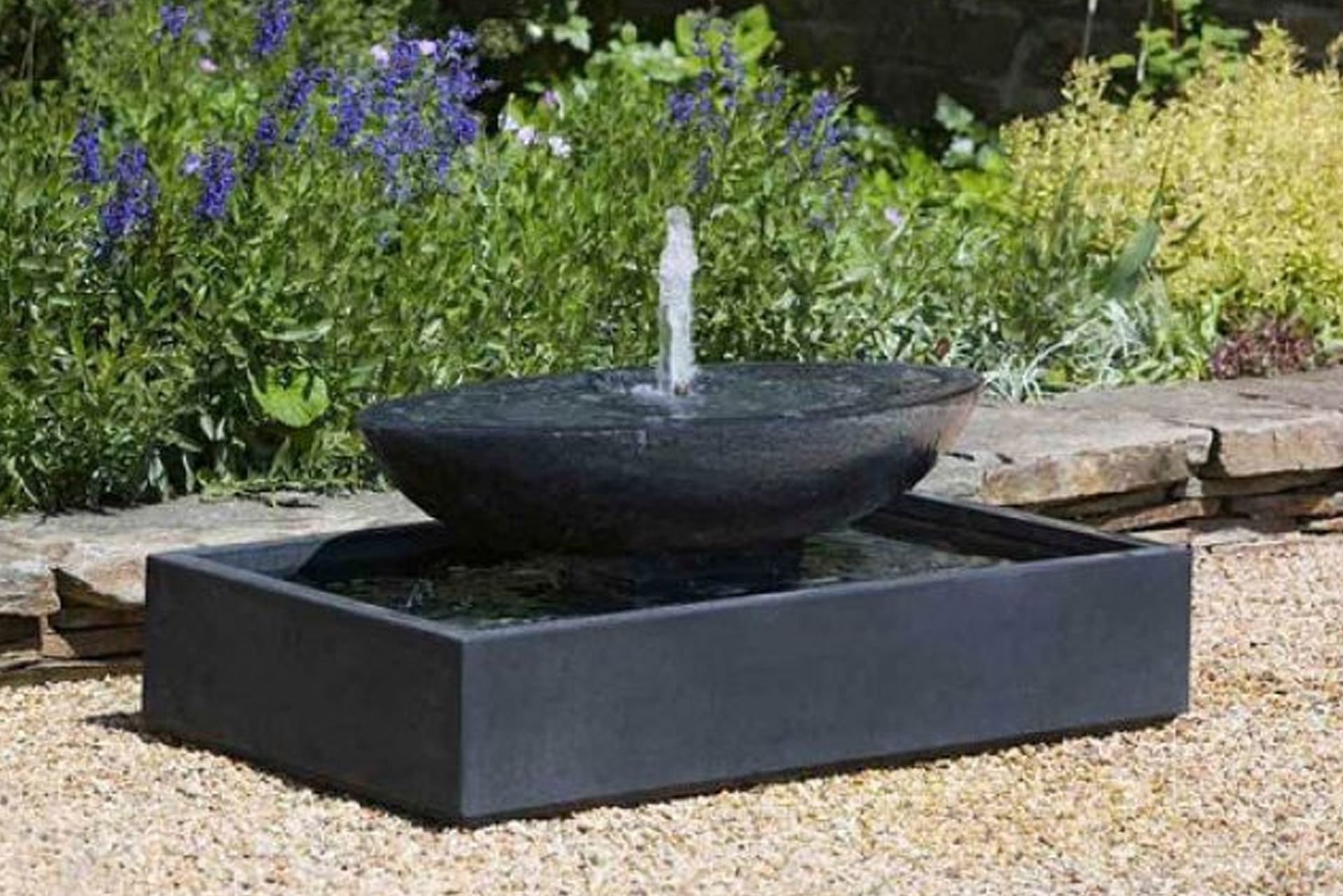
When planning a fountain installation, choosing the ri ght material is one of the most important d ecisions you’ll make. The material determ ines how the fountain looks, how long it lasts, how much maintenance it needs, and how well it fits into your space. There are many materials available, and each has its advantages and disadvantages. Some are better suited for large commercial spaces, while others work best in cozy residential settings. In this blog, we’ll explore the pros and cons of common commercial and residential fountain materials so you can choose the best fit for your project. Concrete Fountains Concrete is a strong, long-lasting option commonly used in both commercial and residential fountains. Pros: Concrete can be molded into a wide variety of shapes and sizes, making it ideal for custom designs. It stands up well to harsh weather and, when properly sealed, resists wear and tear. It’s also highly durable, which makes it perfect for large-scale fountains in parks, courtyards, and public areas. Cons: Concrete is very heavy. This means installation requires a solid foundation, which adds to labor and time. Without proper sealing, it can develop cracks, especially in cold weather. It also needs occasional cleaning to prevent algae buildup. Fiberglass Fountains Fiberglass is one of the most popular materials for residential fountains and some light commercial applications. Pros: It’s lightweight, easy to move, and simple to install. Fiberglass fountains come in many styles and colors, often mimicking stone or ceramic. They’re usually less expensive than other options and don’t require heavy equipment to set up. Cons: Despite being weather-resistant, fiberglass can fade over time when exposed to direct sunlight. It’s not as durable as stone or concrete and may become brittle with age. Up close, it may look less natural than heavier materials. Cast Stone Fountains Cast stone blends the look of natural stone with the strength of concrete. It’s often used in upscale residential projects and luxury commercial locations. Pros: Cast stone fountains have a classic, elegant appearance. They resist damage from the elements and can last many years with proper care. Many people choose cast stone for its ability to mimic hand-carved stone at a more affordable price. Cons: This material is still quite heavy, requiring a strong base for support. It also needs sealing to protect against moisture and staining. While durable, it can chip if struck or dropped. Metal Fountains (Copper, Bronze, Stainless Steel) Metal fountains are often chosen for their sleek, modern appearance. They’re popular in high-end homes, office buildings, art galleries, and other contemporary spaces. Pros: Metal is strong and durable. It resists cracking and looks striking, especially when used in sculptural or minimalist designs. Over time, metals like copper and bronze develop a patina, which many owners find attractive. Cons: Some metals may tarnish or change color, which isn’t ideal for everyone. Metal can also be more expensive than other materials. It might also require polishing or sealing to keep its original look. The sound of water flowing over metal may also be louder than in other fountains, which could be a pro or con depending on your preference. Natural Stone Fountains Natural stone, such as granite or marble, is a timeless choice. It’s often seen in public plazas, hotel entrances, and high-end residential properties. Pros: Each piece of natural stone is unique. It’s incredibly durable and offers a high-end, luxurious feel. Stone fountains can be custom-carved to match any design vision and last for decades with minimal wear. Cons: Natural stone is among the most expensive options. It’s also extremely heavy, which can make transport and installation challenging. The material is less flexible in terms of design shapes and sizes. It may also require regular cleaning to avoid staining from algae or hard water. Ceramic and Terra Cotta Fountains Ceramic and terra cotta fountains bring warmth and character to a space. These materials are often used in rustic, Mediterranean, or artistic designs. Pros: These fountains are affordable, colorful, and lightweight compared to stone or concrete. They’re ideal for small patios, balconies, or garden nooks. Their hand-painted finishes often add charm to outdoor or indoor spaces. Cons: Ceramic and terra cotta are fragile. They can crack easily if mishandled or exposed to freezing temperatures. These materials are best used in mild climates or protected environments. They also need sealing to prevent leaks. Key Differences Between Commercial and Residential Fountain Materials When choosing materials, consider the size and purpose of your fountain. Commercial fountains often prioritize durability and low maintenance. Materials like concrete, metal, and natural stone are common in large public installations because they can handle weather, traffic, and wear. These fountains are built to last and usually feature bold, custom designs. Residential fountains, on the other hand, focus more on aesthetics and flexibility. Homeowners may prefer lightweight materials like fiberglass or ceramic for their ease of installation and variety of styles. Cost and visual appeal tend to be bigger factors than long-term heavy use. Important Questions to Ask Before Choosing a Material Is the fountain going indoors or outdoors? Will it be exposed to sun, rain, or freezing temperatures? Is the space large or small? Do you want a bold centerpiece or a subtle accent? How much maintenance are you willing to do? What is your budget for materials and installation? These questions help guide the right choice. No material is perfect for every scenario, but a little planning ensures your fountain looks great and works well for years to come. Maintenance Tips for Every Fountain Material No matter what material you choose, regular maintenance is key to keeping your fountain running smoothly: Use clean or distilled water when possible to reduce mineral buildup Clean pump filters monthly Seal concrete, stone, and ceramic annually Remove leaves, algae, or dirt regularly Protect fragile materials in winter with covers or by draining the system Want more tips? This fountain maintenance guide from The Spruce offers additional help. Final Thoughts Each fountain material has its own strengths. Concrete and natural stone are ideal for large, long-term installations. Fiberglass and ceramic offer style and flexibility for smaller residential spaces. Cast stone and metal can fit both worlds, depending on the design. When comparing commercial and residential fountain materials, always consider your space, budget, and long-term care. Choosing the right material ensures your fountain stays beautiful, functional, and easy to maintain. Get Expert Help with Material Selection and Installation If you’re ready to build a new fountain, but not sure which material to choose, we can help. 👉 Request a free quote with the Local Fountain Expert team and speak with a specialist about the best materials and designs for your project. From concept to installation, we’ll help you bring your water feature to life—beautifully and professionally.
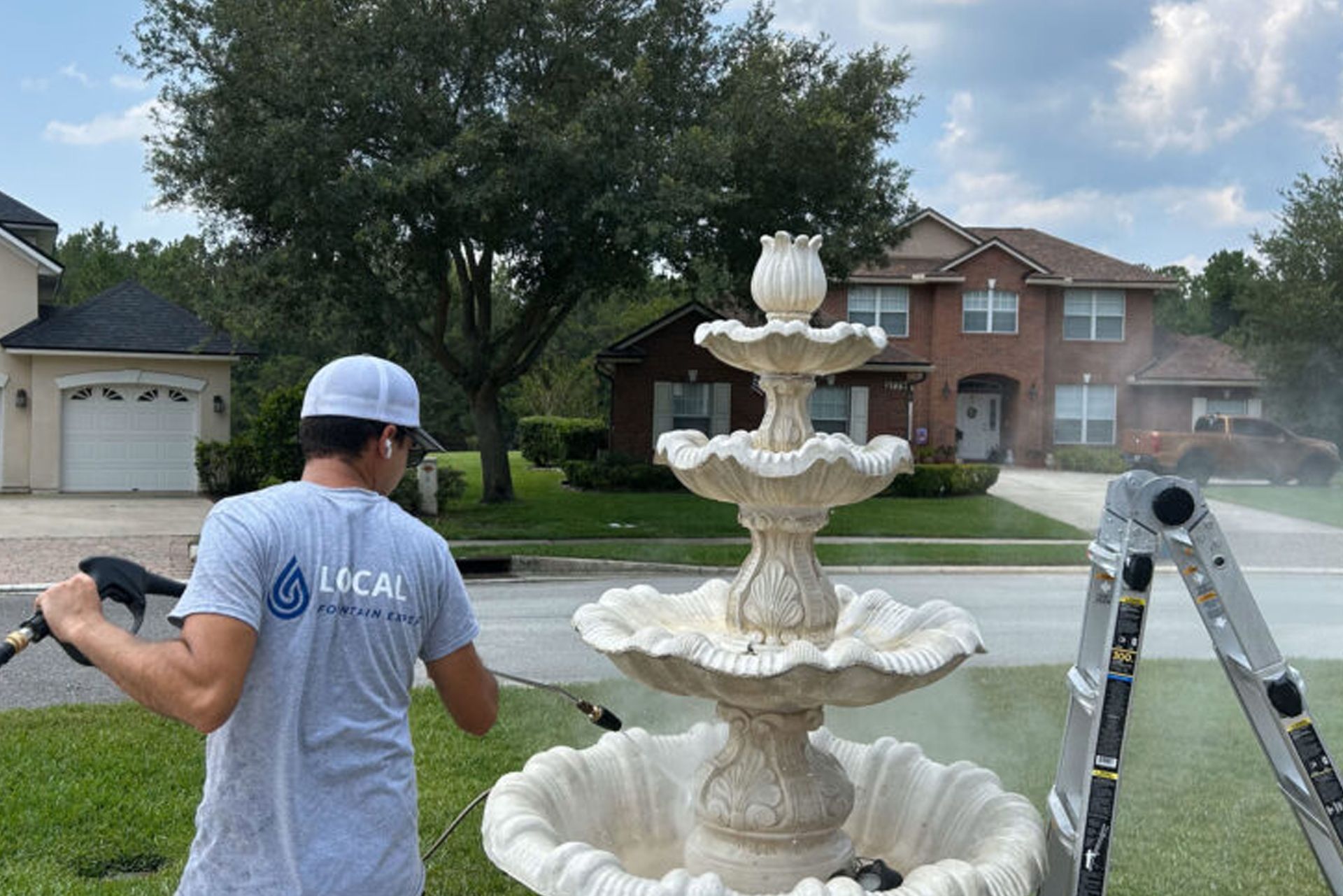
Adding a fountain to your outdoor space can transform it into a relaxing, elegant environment. Whether it’s a residential garden, a public plaza, or a commercial building, a well-designed water feature enhances curb appeal and creates a calming atmosphere. If you’re considering a professional fountain installation in Jacksonville, it’s essential to know what the process usually looks like. This guide covers what you can generally expect—step-by-step—so you’re fully prepared before and during the installation. Why Hire a Professional for Fountain Installation? Fountain installation is more than a weekend DIY project. It often involves plumbing, electrical work, heavy materials, and design expertise. Hiring a qualified team ensures the job is done safely and correctly the first time. Professionals bring: The right tools and equipment Knowledge of local codes and permitting Experience with soil, drainage, and elevation Precision in fountain leveling and alignment Long-term reliability of the installation Cutting corners during installation can lead to water leaks, electrical failures, or constant maintenance issues down the road. A trusted installer helps avoid those headaches. 1. Site Evaluation and Planning Every successful fountain installation begins with a thorough site assessment. Before anything is installed, professionals typically evaluate: The type and size of the area Ground slope and drainage Water and electrical access Soil conditions and stability Any underground utilities This step ensures the fountain is placed in a safe and functional location. Depending on the site, adjustments to the landscape may be necessary before installation begins. 2. Design and Feature Selection The design phase is where vision meets feasibility. A fountain should not only suit your taste, but also complement the scale and style of the property. Common fountain styles include: Tiered fountains Wall fountains Spill bowls or basin-style fountains Modern bubbling features Sculptural or custom-built water elements During this stage, professionals help select materials (like stone, concrete, or bronze), determine appropriate water flow, and consider accessories like lighting or programmable pumps. 3. Permitting and Code Compliance In most cities, including Jacksonville, outdoor water features may require permits—especially if plumbing or electrical lines are being installed or modified. A licensed professional will usually handle: Obtaining local permits Complying with municipal codes Following homeowner association (HOA) guidelines Ensuring backflow prevention measures Skipping this step can result in fines or forced removal of the fountain later on. 4. Site Preparation Before installation starts, the site must be prepped. This often includes: Clearing vegetation or debris Grading and leveling the area Digging trenches for water and power lines Installing a base or pad (such as concrete or compacted gravel) Proper preparation is key. A poorly prepared foundation can cause the fountain to shift, lean, or crack over time. 5. Installing the Fountain Structure Once the area is prepped, the fountain pieces are assembled and set in place. This part of the process may include: Placing the basin or lower bowl Assembling multiple tiers or sections Sealing joints and water paths Securing the structure to prevent movement Ensuring the fountain is level on all sides A level installation ensures proper water flow and balance. In uneven setups, water can splash out or put stress on the pump. 6. Electrical and Plumbing Connection Most professional fountain installations require both water and electricity. A qualified technician will typically: Connect the water supply and drainage Install a submersible or inline pump Set up electrical connections, timers, or remote controls Integrate any lighting features All connections should be waterproof and meet electrical code standards. GFCI outlets are often used for safety. 7. Testing and Adjustments After installation, the system is tested thoroughly. Professionals will usually: Check for leaks or weak seals Test water pressure and pump performance Adjust flow patterns and spray levels Calibrate lighting (if included) This is the moment when everything comes together—and the fountain begins to flow. Minor adjustments help fine-tune the visual and acoustic effect. 8. Clean-Up and Final Walkthrough No installation is complete without a proper cleanup. Once the system is operational, any leftover materials, soil, or packaging are removed. Before wrapping up, the installer may: Review fountain care instructions Explain basic pump maintenance Provide a recommended cleaning schedule Offer guidance on winterizing or weather protection This final walkthrough ensures the property owner knows how to care for their new feature. 9. Ongoing Maintenance Recommendations To keep a fountain running smoothly, regular maintenance is essential. This may include: Checking and cleaning the pump Removing debris or algae from the basin Refilling water to maintain the proper level Treating water to prevent mineral buildup Winterizing the fountain in colder months (if applicable) Many homeowners and businesses choose to set up professional maintenance plans to avoid repairs and preserve the fountain’s appearance. Timeline: How Long Does Installation Take? Fountain installation timelines vary depending on the size and complexity of the project. Here’s a general idea: Small residential fountains – 1 to 2 days Medium landscape fountains – 3 to 5 days Large custom fountains – 1 to 2 weeks Weather, permitting, and material delivery times can all affect the schedule. Costs and Considerations The cost of a fountain installation depends on several factors: Fountain design and size Type of materials used Labor and equipment needs Permitting fees and inspections Landscaping or structural changes For a basic setup, costs may start around a few thousand dollars. Custom designs or larger commercial fountains can run significantly more. Still, the return in beauty, ambiance, and property value is often well worth it. Final Thoughts A fountain adds timeless beauty, sound, and elegance to any space. And when installed by professionals, it becomes a low-maintenance centerpiece that can last for decades. By knowing what to expect during a professional fountain installation, Jacksonville residents and business owners can confidently move forward with their water feature projects.
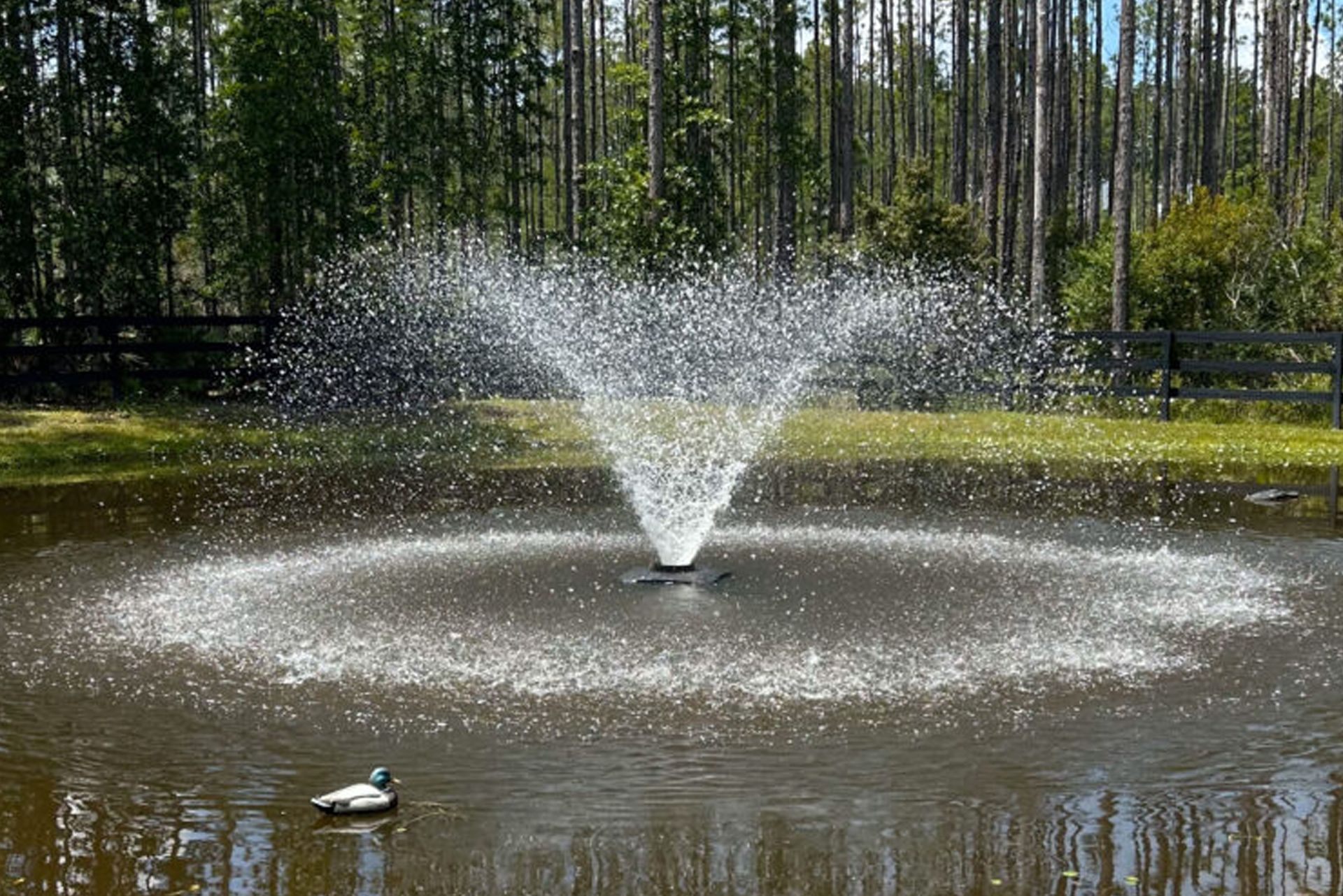
Installing a comme rcial fountain brings beauty, movement, and peace to your space. But when it comes to keeping water flowing ef ficiently and sustainably, choosing the right system matters. That’s where a recirculation system comes into play. In this blog, we’ll explain what a recirculation system is, how it works, and why it’s often the best solution for commercial fountains. You’ll learn the benefits, things to consider, and why hiring a professional fountain expert helps avoid costly mistakes. What Is a Recirculation System? A recirculation system is a water-efficient setup that reuses the same water continuously. Instead of pulling water from a main supply line, the system collects water in a reservoir or basin, filters it, and sends it back through the fountain using a pump. It works in a loop: Water collects in the basin. The pump draws water and pushes it through the feature. The water flows back down into the basin to be used again. This method keeps water moving while reducing waste — ideal for eco-conscious property owners. Why Commercial Properties Choose Recirculation Systems When running a business or managing a commercial space, long-term efficiency is key. Recirculation systems offer many benefits that go beyond aesthetics. 1. Save Water Because it recycles water, this system drastically reduces overall usage. It’s a smart option in areas where water is limited or expensive. 2. Lower Monthly Bills Reusing water means less demand on your supply — and that leads to savings on your water bill over time. 3. Clean and Clear Water Recirculating systems often include filters that remove dirt, debris, and algae. This helps your fountain stay clear and odor-free with minimal effort. 4. Consistent Water Flow Direct water supply systems can vary in pressure. A recirculation system gives you smooth, predictable water flow without unexpected changes. 5. Easy Maintenance With fewer connections to your main plumbing, there’s less that can go wrong. A self-contained setup is easier to manage and maintain. Are There Any Downsides to Recirculation Systems? While ideal for most commercial spaces, a recirculating system may not be perfect for every situation. If your fountain is very large or exposed to hot sun all day, it may lose water to evaporation faster than the system can handle. In those cases, you may still need to refill it manually from time to time. Also, if your fountain includes live fish or aquatic plants, you’ll need a more advanced filtration system to maintain the water quality. Recirculating vs. Direct Water Line: What’s Better for You? If you’re trying to choose between a recirculation system and a direct water connection, consider these factors. Recirculation systems are more water-efficient and cost-effective. They don’t rely on a steady supply of fresh water, so they’re more eco-friendly and budget-friendly over time. On the other hand, direct water lines use fresh water constantly. That can increase your monthly costs and may require more plumbing work during installation. In most commercial settings, recirculation systems are the smarter option. They’re easier to maintain, require fewer permits, and support sustainability goals — all while keeping your fountain looking beautiful. Which Fountains Work Best with Recirculation Systems? Nearly all commercial fountain types can use a recirculating system. These include: Wall fountains for office buildings, hotels, or medical centers Tiered fountains for courtyards or patios Modern linear or cascading fountains in upscale commercial spaces Custom-built commercial water features in malls or resorts If your project includes lighting, custom stone, or sculptural elements, a recirculation system can still be integrated to support your vision without wasting water. What Does a Recirculating Fountain System Include? A typical system installed by a professional fountain team will include: A submersible pump to move the water A reservoir or basin for water collection A filtration system to keep the water clean Optional auto-refill valves to top off water lost to evaporation Water treatment solutions or UV filters to prevent algae With the right parts and expert installation, these systems can run efficiently for years with minimal maintenance. Why You Should Hire a Professional Fountain Installer Installing a commercial water feature is a technical job. A professional fountain installer has the tools and experience to get it right. They’ll assess your space, recommend the right system, and handle all the details — including electrical work, sealing, and plumbing. Trying to install it yourself or hiring someone without fountain experience could lead to: Leaks Uneven water flow Premature pump failure Costly redesigns Avoid those issues by working with experts who know what they’re doing. If you’d like to explore more about water conservation in landscape design, the EPA WaterSense program offers helpful resources for property managers and commercial developers. Why Choose Local Fountain Experts At Local Fountain Experts, we specialize in professional fountain installation and maintenance for commercial properties. Based in Jacksonville, we serve clients who want long-lasting, beautiful water features that perform as well as they look. We help you: Choose the right system Install pumps and filtration safely Design custom fountains that match your brand Maintain and repair systems year-round Our experience means fewer surprises and better results — all backed by our satisfaction guarantee. Get a Free Quote from Local Fountain Experts Ready to install a fountain or upgrade to a recirculation system? Let us take care of the design, installation, and maintenance for you. Request your FREE quote today and speak with our team about the best solution for your commercial space. Final Thoughts A recirculation system offers a smart, efficient way to enjoy a stunning commercial fountain without the high water bills or constant maintenance. It’s cost-effective, eco-friendly, and reliable — especially when installed by a team of professionals. Whether you’re starting from scratch or upgrading an existing fountain, Local Fountain Experts is here to help you make the best choice.
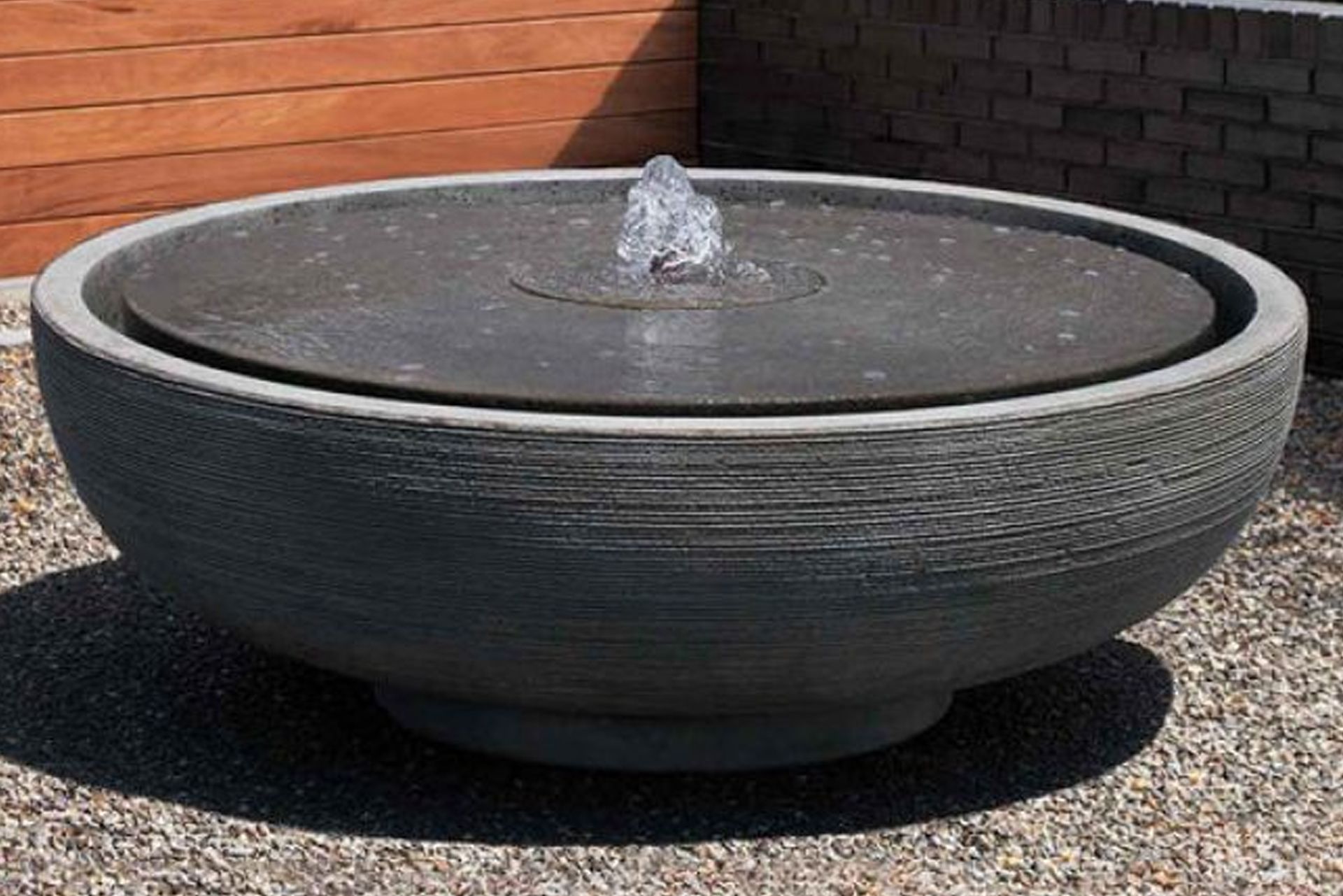
Adding a water fou ntain to your property can transform your space. It brings peace, elegance, and even increases your home’s value. But the re’s one critical choice that can determine the success or failure of your project — hiring a professional for your fountain installation. In this blog, we’ll break down why professional fountain installation is essential, what can go wrong with DIY attempts, and how expert help can save you from costly errors. If you want your fountain to work beautifully for years to come, read on. The Risks of DIY Fountain Installation Installing a fountain might seem like a weekend project. But the reality is very different. Many homeowners try to install fountains themselves or hire general contractors who lack specific experience with water features. This often leads to a series of avoidable problems: Leaks and water damage Poor water flow or pump failure Improper electrical connections Uneven foundation or misalignment Costly repairs within months of installation Fountain systems require precise planning. It’s not just about digging a hole and plugging in a pump. Water pressure, plumbing, electrical safety, and landscape design all play a role. A small mistake can lead to big consequences. Benefits of Hiring a Professional Fountain Installation Team Here’s why working with certified fountain installers matters: 1. Correct Design and Planning Professionals assess the space before installation. They consider: Ground slope and drainage Electrical access Wind exposure Proper scale and placement They make sure the design fits your landscape and prevents structural issues. A proper plan saves you from having to move or redesign the fountain later. 2. Expert Electrical and Plumbing Work Water and electricity are a dangerous mix. A licensed fountain installation expert knows how to: Safely connect the pump and lighting Seal wires and protect connections Install shut-off valves and backflow preventers This ensures your system runs efficiently and meets all safety codes. 3. Avoiding Water Leaks Professionals use high-quality sealants and materials. They test for water retention before finalizing the setup. A leak-free fountain saves you water bills and avoids damage to your yard or foundation. 4. Efficient Pump and Filtration System Setup Choosing the wrong pump or filter can result in poor water circulation, algae buildup, or burnt-out motors. Experts calculate flow rates and install the right-sized equipment for your fountain’s design and size. 5. Long-Term Maintenance Advice A good fountain installer doesn’t disappear after the job is done. They provide maintenance tips or even offer servicing packages. They’ll teach you how to clean filters, monitor water levels, and winterize your fountain if needed. Case Study: When DIY Goes Wrong One homeowner in Jacksonville tried installing a wall fountain by following a YouTube tutorial. Within two months, they noticed: The water pump overheated and failed The wall had water stains due to minor leaks The basin wasn’t level, causing water to splash out constantly They ended up spending twice the original cost fixing the problems. A professional could have done it right the first time, and for less money in the long run. Professional Installers Understand Local Conditions In Florida, for example, high humidity and salt in the air can impact fountain materials and water chemistry. A local fountain expert knows how to select durable materials and adapt the installation to your climate. This prevents corrosion and mold buildup over time. Hiring a local pro also means they’re familiar with city permits, zoning laws, and HOA guidelines. That saves you paperwork headaches. Boosting Property Value With the Right Fountain A professionally installed fountain becomes a feature — not a liability. It adds: Curb appeal Serenity and ambiance Value to your home or business Whether it’s a garden fountain, courtyard feature, or entryway piece, a quality installation impresses guests and potential buyers alike. How to Choose the Right Fountain Installer Not all installers are the same. Here’s what to look for: Verified customer reviews Experience with multiple fountain types (wall, tiered, modern, etc.) Licenses and insurance Portfolio of past installations Clear estimates and contracts Why Choose Local Fountain Experts At Local Fountain Experts, we specialize in custom fountain installation for residential and commercial properties in the Jacksonville area. Our team brings years of experience, meticulous attention to detail, and a commitment to delivering high-quality craftsmanship. We handle everything — from design to final seal. You get a worry-free experience and a fountain that works perfectly from day one. Ready to Install Your Fountain? Let’s Do It Right. Don’t let small mistakes cost you big money. Get it done right the first time with help from our expert team. Whether you’re planning a backyard retreat or an eye-catching feature for your business, we’re here to help. Request your FREE quote today and let Local Fountain Experts bring your vision to life. Final Thoughts Professional fountain installation is not an optional luxury — it’s the smartest decision you can make. Avoid repairs, increase your property’s value, and enjoy peace of mind with a job done right. Trust experts who do this every day. Trust Local Fountain Experts.
Water features have always added elegance to homes, gardens, and commercial spaces. Today, smart fountains are becoming more tha n just decorative elements. With the rise of artificial intelligence (AI), these fountains are evolving into intelligent, responsive systems that bring beauty, innovation, and function together. In this blog, we’ll dive into how AI-powered designs are revolutionizing smart fountains. You’ll learn about the latest trends, practical benefits, and how you can get started with one in your own space. What Are AI-Powered Smart Fountains? At the most basic level, smart fountains are water features integrated with technology. They can include timers, sensors, lighting, and remote controls. But now, with AI-powered designs, smart fountains are reaching a whole new level. Artificial intelligence allows these fountains to: Adapt to their environment Predict user preferences Optimize energy and water use Sync with other smart home or building systems These intelligent systems go far beyond automation. They learn and respond in real-time. This capability makes them more efficient, more beautiful, and more interactive. How AI Is Changing The Water Feature Industry 1. Personalization in Real Time AI systems can detect the time of day, weather conditions, or user behavior. Based on that, your fountain can automatically change its water flow, lighting colors, or music synchronization. Want a calm, soothing stream in the morning and a dramatic LED display for evening parties? AI makes that possible. 2. Energy Efficiency Using predictive data and real-time sensors, AI can help your fountain reduce energy use. It will run only when needed, adjust its lighting, and manage pump output to match weather conditions. This saves money and helps the environment. 3. Proactive Maintenance Alerts AI can monitor fountain systems and notify you before problems occur. It detects drops in water pressure, abnormal usage, or minor leaks before they become major issues. This prevents costly repairs and extends the life of your system. 4. Voice and App Integration Smart fountains now work with voice assistants like Alexa or Google Assistant. You can say, “Turn on the garden fountain,” and it responds. Plus, apps let you control everything—from water speed to sound effects—wherever you are. 5. Enhanced Commercial Experience In business settings, AI-powered fountains enhance visitor experiences. Hotels, office buildings, and malls are using smart fountains that change depending on the season or time of day. Some even sync with digital signage or music systems. According to Smart Cities Dive, AI is being used in public water installations to create sustainable, responsive urban environments. This is a glimpse into the near future for residential and commercial fountain design. AI Features To Look For In A Smart Fountain If you’re exploring your options, here are a few must-have AI features: Motion Sensors: For fountains that activate when people approach Weather Adaptation: Adjusts spray height and lighting during wind or rain Energy Learning Mode: Learns your usage patterns and adjusts to save power Auto Cleaning Alerts: Notifies you when it’s time to clean or refill Custom Scene Presets: Saves your favorite fountain displays for different moods or events These features make AI-powered fountains both high-tech and easy to use. Smart Fountain Applications in Residential Spaces Bring Innovation to Your Backyard Homeowners are utilizing AI-powered fountains to enhance their backyard designs. Whether placed by the pool, in a garden, or near a patio, these fountains act as art, ambiance, and automation all in one. You can set the fountain to turn on at sunset, dim the lights before bedtime, or activate during weekend gatherings. And all of this happens without manual effort. Connect with Other Smart Home Devices AI fountains connect with home hubs, lighting systems, and even security cameras. If someone enters your backyard, the fountain lights up. When your smart home goes into “night mode,” the fountain goes off. This integration helps your home feel more cohesive, secure, and luxurious. Smart Fountain Uses for Commercial Properties Make a Lasting First Impression For hotels, malls, resorts, or business parks, fountains are often the first thing customers see. With smart, AI-driven features, these water elements become dynamic and unforgettable. You can create seasonal displays, sync to brand colors, or even respond to foot traffic. Some businesses also use AI fountains for branded entertainment, adding logos through LED water mapping or custom soundscapes. Reduce Operational Costs Smart fountains for businesses are designed to run efficiently. AI ensures they operate only when needed, saving money on utilities and maintenance. Automate for Event Management If your business hosts events, AI fountains can be programmed with event presets. Activate a “wedding mode,” “evening cocktail theme,” or “holiday sequence” with a single command. Why AI-Powered Designs Are the Future AI is no longer just for tech companies. It’s now in our homes, offices, phones—and yes, even fountains. These smart systems are cost-effective, eco-friendly, and incredibly beautiful. Whether you’re upgrading your backyard or designing a luxury plaza, AI-powered smart fountains bring future-forward design into your space. They make life easier. They impress your guests. And they do it all while conserving resources. Get a Smart Fountain Designed for You At Local Fountain Expert, we design and install smart fountains with cutting-edge AI features. Whether you’re looking for something simple or a show-stopping centerpiece, we’ll help bring your vision to life. You’ll receive expert guidance, quality materials, and future-ready technology. Best of all, we make the process simple, from design to installation. Request Your Free Quote Today! Ready to explore smart fountains with AI-powered designs? Click here to request a free quote from the Local Fountain Expert Team.
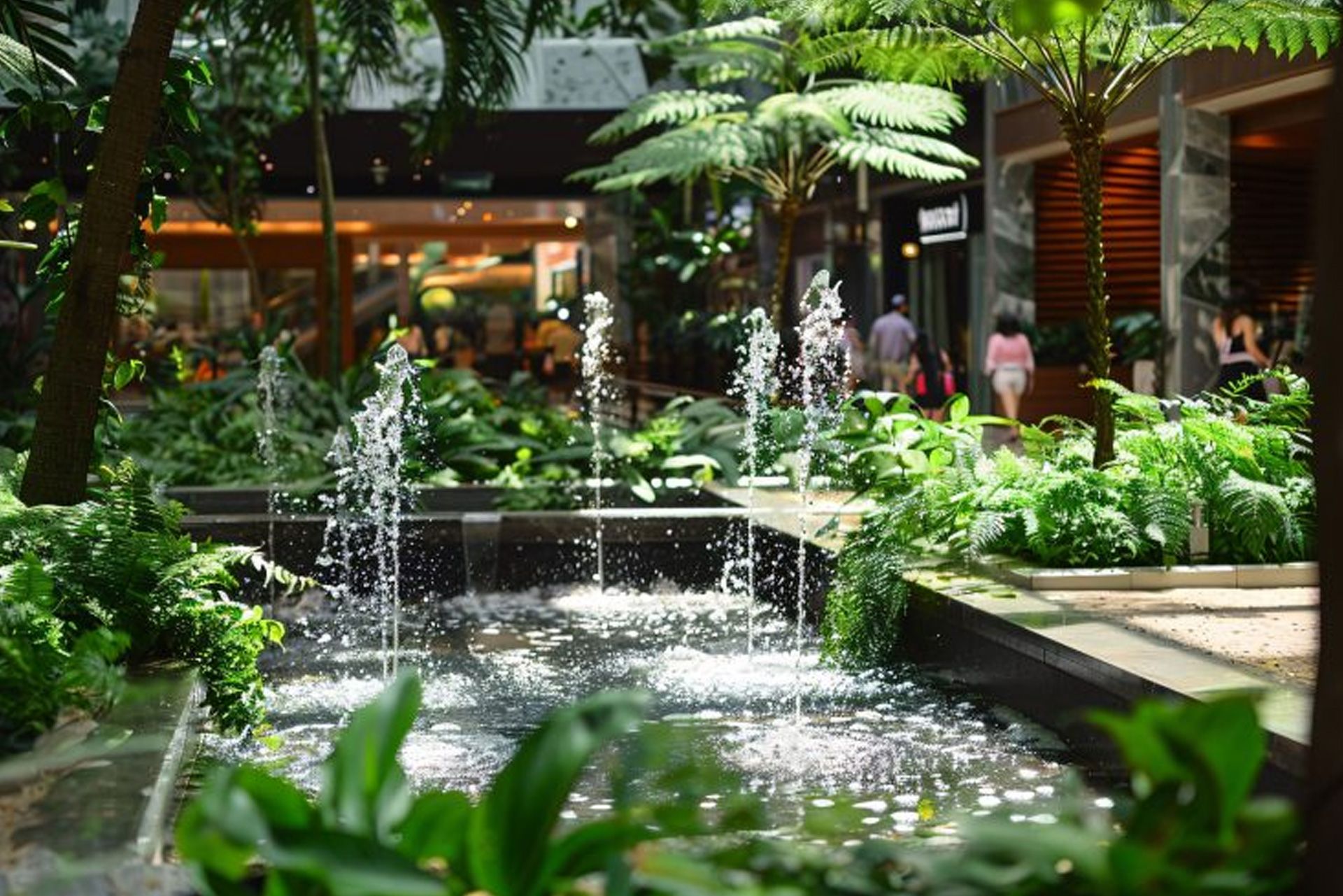
A commercial fountain can completely transform your space. Whether it’s a h otel, office, public pa rk, or shopping center, the right fountain creates an ele gant, calming, and memorable environment. But with so many styles and options available, how do you choose the one that’s right for you? This guide walks you through the key steps in choosing the perfect commercial fountain to make a wise investment that adds value and beauty. 1. Know Your Space and Purpose Start with your location. Will the fountain be indoors or outdoors? Will it serve as a focal point or as a subtle background feature? Ask yourself: Is the space formal or casual? Will people be interacting with the fountain? Does the area need sound masking? A large, bold fountain might be appropriate for an outdoor plaza, while a smaller, quieter design would suit a spa or office lobby. 2. Choose the Right Type of Fountain There are many types of commercial fountains, each designed for different settings. Common styles include: Freestanding Fountains – Standalone pieces that grab attention. Ideal for central locations. Wall-Mounted Fountains – Save space while adding ambiance to indoor walls. Tiered Fountains – Traditional and elegant. Great for courtyards or classic gardens. Interactive Fountains – Designed for play and engagement, often found in parks or malls. Think about how people will move around the fountain. Will they sit nearby? Take photos? Walk through it? 3. Pick the Right Material The material you choose affects durability, maintenance, and appearance. Here are a few options: Cast Stone – Durable and elegant. Perfect for outdoor use. Stainless Steel – Sleek and modern. Excellent for contemporary spaces. Fiberglass – Lightweight and easy to install. Ideal for temporary or low-maintenance setups. Natural Stone – Classic and timeless. An excellent match for rustic or garden designs. We proudly partner with Campania International, a trusted provider of premium fountains crafted from high-quality materials. 4. Match the Design to Your Environment Your fountain should fit seamlessly into its surroundings. A modern water wall in a colonial-style courtyard might feel out of place, while a traditional tiered piece might not suit a corporate lobby. Design tips: Match architectural features and color palettes. Use lighting to highlight textures and movement. Choose finishes that either blend in or boldly contrast, depending on your design goal. 5. Sound Matters Too Fountains create sound, and that sound affects how people feel in the space. Do you want a soft, tranquil trickle or a louder rush that masks urban noise? Test water flow styles in videos or in person before you commit. The wrong sound can become a distraction instead of a feature. 6. Plan for Maintenance A beautiful fountain won’t stay that way without care. Make sure to plan for regular maintenance. Some key things to look for: Accessible pumps and filters Built-in filtration systems Algae-resistant materials Easy-to-clean surfaces The team at Your Fountain Expert offers professional maintenance plans to help your fountain stay in top shape all year long. 7. Add Lighting for Impact Lighting takes your fountain to the next level, especially at night. You can use underwater LEDs, uplights, or accent lighting to highlight flowing water, sculpture, and architectural elements. Consider solar or low-voltage systems for energy efficiency. Lights enhance beauty and improve safety and visibility. 8. Think About Budget and Installation Fountain costs vary widely. Materials, size, location, and features all play a role. Installation costs can also include plumbing, lighting, and foundation work. Quick tips: Set your budget before shopping. Factor in long-term maintenance. Work with professionals who can guide the process from start to finish. We’re here to help you plan realistically and avoid costly surprises. 9. Work With a Trusted Team Fountains are complex. There’s a lot to manage between design, plumbing, and maintenance. That’s why it helps partner with professionals specializing in commercial fountain installations. At Your Fountain Expert, we help you from concept to completion. Our partnerships with manufacturers like Campania International give you access to exclusive designs and materials trusted by designers nationwide. Final Thoughts Choosing the perfect commercial fountain isn’t just about style, it’s about matching the right design to your space, goals, and audience. When you consider your location, materials, sound, and maintenance, you can confidently select a fountain that will last and impress. Ready to add a showstopping water feature to your space? Contact our team today to get started with a free consultation.
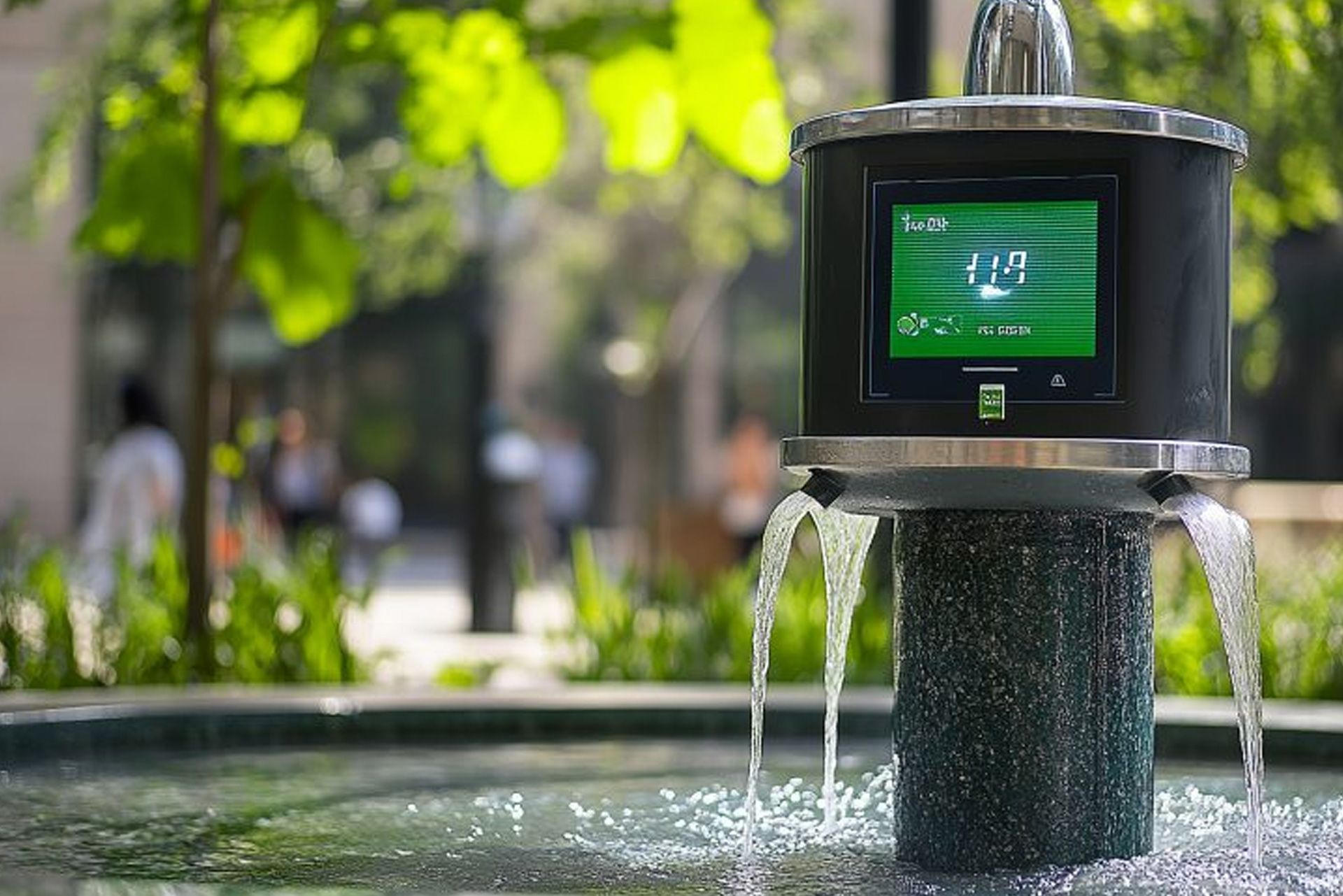
Water features have long been a favorite way to bring beauty and tranquility to outdoor spaces. But today, wit h the rise of technology, fountains are becoming smarter, more efficient, and even more breathtaking. Welcome to the future of water features—where innovation meets elegance. In this blog, we’ll explore how smart fountains are revolutionizing the landscape, the benefits they offer, and why you should consider incorporating one into your space. What Are Smart Fountains? Smart fountains are water features that incorporate advanced technology. They often include automation, remote control access, and sensor-driven systems. Some even integrate with your smartphone, allowing you to manage lighting, water flow, and music from anywhere. Instead of operating manually, smart fountains work based on user settings or environmental factors. This innovation makes them both user-friendly and eco-conscious. Key Technologies Behind Smart Fountains Several technologies are driving the transformation of traditional fountains: Automation Systems: Timers and schedules let you control when the fountain operates. No more worrying about forgetting to turn it off. Smart Sensors: These can detect wind speed, water levels, and temperature. When needed, they adjust the fountain’s flow to prevent water waste. Mobile Apps: Many modern fountains connect to mobile devices. You can change patterns, lighting, and more with just a tap. LED Lighting: Smart LED systems allow customizable colors and sequences. They create stunning night-time displays without consuming much energy. Music Synchronization: Some smart fountains integrate sound systems. They can dance to your favorite tunes, offering an immersive experience. According to Aquanovis, smart fountain solutions are helping commercial spaces and homeowners alike create memorable environments while reducing operational costs. Benefits of Smart Fountains You might wonder—why invest in a smart fountain? Here are some key reasons: 1. Convenience Imagine adjusting your fountain settings without stepping outside. Smart fountains offer unparalleled convenience. Whether it’s a quick change of the lighting color or a complete shutdown during bad weather, everything is right at your fingertips. 2. Energy Efficiency Smart fountains consume less energy thanks to advanced automation and LED technology. They only run when needed, saving power and reducing your utility bills. 3. Water Conservation Sensors monitor water levels and environmental conditions. If the wind picks up, the fountain automatically lowers its spray, minimizing water loss. 4. Customization Want your fountain to shine blue on holidays or pulse with your party playlist? Smart systems allow endless customization options, making your water feature unique. 5. Safety Overflow sensors and low-water alerts help prevent damage. You’ll protect your investment while also ensuring safe operation year-round. Smart Fountain Features You Should Look For Before investing, consider the following features: Wi-Fi or Bluetooth connectivity for easy control Weather detection sensors for optimal water management Color-changing LED lights for visual impact Programmable water patterns to suit any event Integrated music systems for dynamic experiences Choosing a fountain with these features ensures you get the most from your investment. Are Smart Fountains Worth It? Absolutely! Although they may have a higher upfront cost than traditional fountains, the long-term benefits are undeniable. Lower maintenance, energy savings, water conservation, and customization options make them a wise choice. Besides, smart fountains offer a wow factor. They elevate the atmosphere of gardens, patios, commercial plazas, and luxury homes alike. How to Get Started with a Smart Fountain Ready to bring cutting-edge beauty to your outdoor space? Working with an experienced team is key. At Local Fountain Expert, we specialize in designing and installing smart fountains tailored to your needs. Whether you envision a small backyard feature or a grand centerpiece, we can help bring your ideas to life. Don’t wait—request a free quote today with the Local Fountain Expert Team and take the first step toward transforming your space with technology and elegance. 👉 Request Your Free Quote with Local Fountain Expert Now!